Sustainable packaging starts with design
Through correct sizing, recyclable materials and efficient production, we reduce the environmental impact of packaging at source.
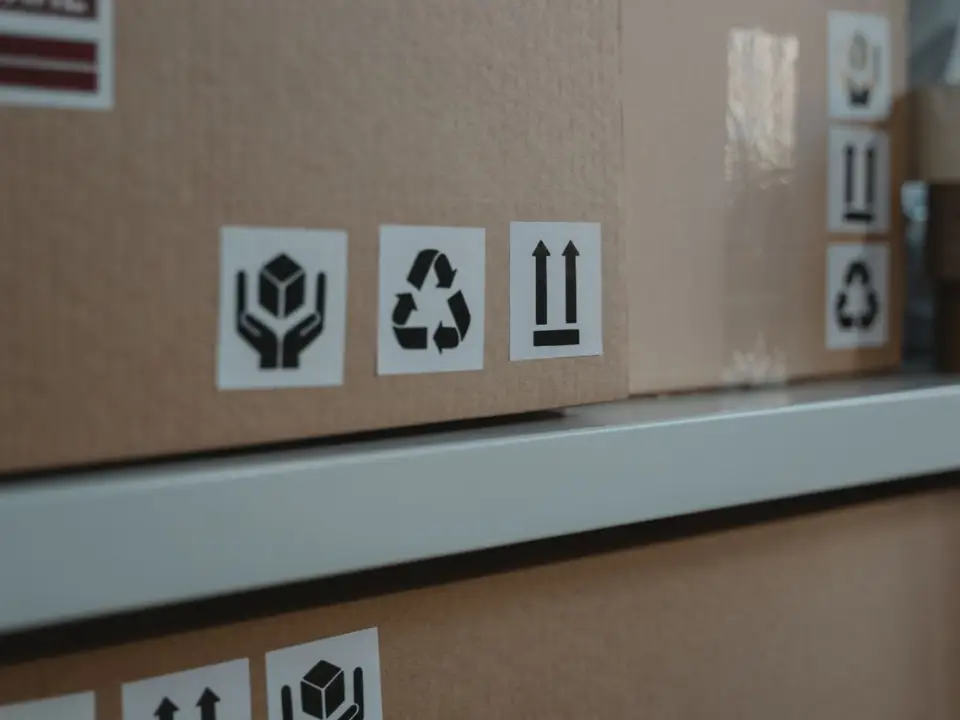
Design comes first
Most of the impact is determined at the design stage
Most of the environmental impact of a pack is determined at the design stage. Packaging that fits the product precisely uses less material, makes more efficient use of transport volume and, by reducing product damage, avoids the resources lost in producing replacements.
This is why, at Bayındır Ambalaj, sustainability is treated not as a separate product group but as a core design criterion in every project.
Our approach
Resource efficiency in four areas
-
Material efficiency
With 3D design and prototype validation, we size packaging to the product's actual needs and avoid using heavier board and more filling material than necessary.
-
Recyclable structure
Our corrugated packaging is recyclable in the paper waste stream. In plastic packaging, we prioritise mono-material structures and recycled raw material options.
-
Alternatives that reduce plastic
With solutions such as ecological paper strapping, we offer paper-based alternatives to plastic components that require separation.
-
Efficient production
By managing our production and purchasing processes with an enterprise resource planning system, we reduce cutting waste and stock losses.
PPWR
EU Packaging and Packaging Waste Regulation
The European Union's Packaging and Packaging Waste Regulation (PPWR, Regulation (EU) 2025/40) sets out new obligations on recyclability, recycled content and packaging minimisation for all manufacturers placing products on the European market.
For our customers exporting to Europe, this means that packaging design must now take regulatory compliance into account alongside product protection and cost. We assess our packaging solutions against these requirements and support our customers in their choice of materials and design.
| Date | Obligation |
|---|---|
| 11 February 2025 | The Regulation entered into force. |
| 12 August 2026 | General application begins: conformity assessment and technical documentation, heavy metal limit in packaging (100 mg/kg in total) and PFAS restriction in food-contact packaging. |
| 12 August 2028 | Harmonised label showing material composition (or 24 months after the relevant implementing act, whichever is later). |
| 1 January 2030 | All packaging must be designed for recycling (grade A, B or C). Maximum empty space ratio of 50% in grouped, transport and e-commerce packaging. Minimum recycled content in plastic packaging (10–35% depending on category). 40% reuse target for transport packaging. |
| 1 January 2035 | Packaging must be recyclable at scale in practice. |
| 1 January 2038 | Class C is removed; only recyclability classes A and B are accepted. |
| 1 January 2040 | Higher recycled content targets; 70% reuse target for transport packaging. |
75% empty space
Standard box: above the limit
35% empty space
Sized to the product: below the limit
How we support you
- Size and empty space We size the packaging to the product using 3D design and calculate the empty space ratio at the design stage.
- Material selection We recommend mono-material, highly recyclable structures and paper-based alternatives.
- Documentation We share the material composition and weight data of the packaging for your technical documentation.
This summary is for information only and is not legal advice; some dates depend on EU implementing acts.
Our recycling policy
Resource-efficient production
As a packaging manufacturer, we consider contributing to a sustainable future one of our core responsibilities. We favour recyclable materials in our products and continuously work to improve our production processes in order to minimise waste and use resources efficiently.
We continue to research ways to reduce our carbon footprint and to adopt production models that protect nature.
- Share of recycled paper
- %80
- Recycled plastic raw material
- %30
- Production waste recovered (tonnes/year)
- 1.200
- Recyclable corrugated packaging
- %100
Let's prepare your packaging for PPWR together
Share the dimensions, materials and shipping details of your current packaging; our engineering team will prepare a proposal for material and size improvements, and our sales team will send you a quote.
Product catalogue