Packaging engineering and rapid prototyping
Before moving into series production, we design packaging specific to your product digitally and validate it with a physical prototype.
Approach
Engineering that shortens the approval cycle
In most product projects, packaging development is one of the stages where time pressure is felt most. In the conventional approach, every design change means a new cutting die, a new sample and a new approval cycle.
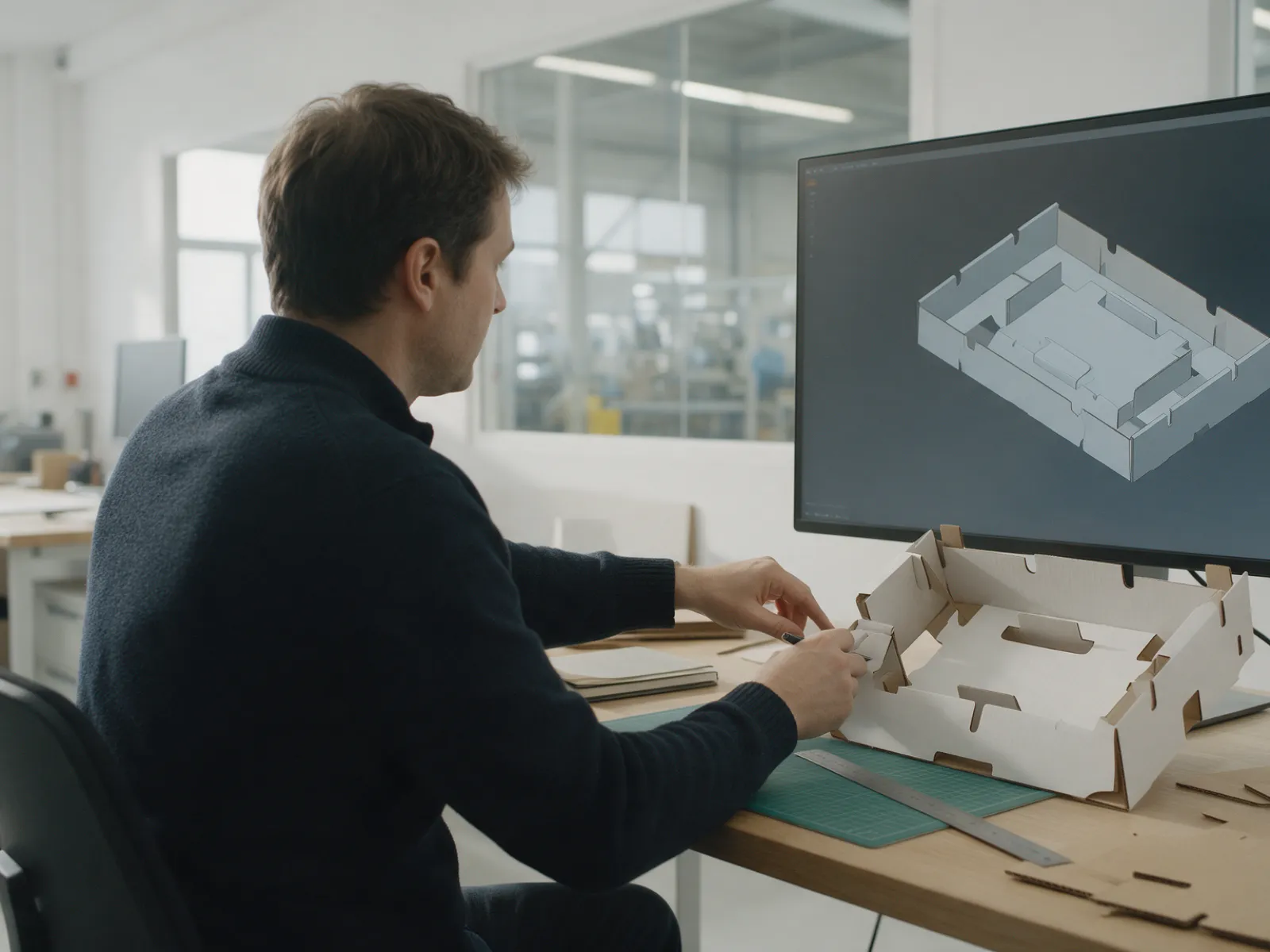
We shorten this cycle with an engineering-led process: the packaging is structurally designed on the basis of product and supply chain data, validated digitally with a 3D model and prototyped on our digital cutting equipment without any tooling investment.
This means design decisions have already been tested on the actual product before the series production die is made.
Conventional sample cycle
2 dies before series production
- Design
- Cutting die (die investment)
- Sample
- Testing and approval
- Revised die (die investment)
- New sample
- Approval
Engineering cycle
No dies before series production
- 3D design
- Digital-cut prototype
- Test
- Revision
- Approval
Engineering process
From analysis to continuous improvement
Every project goes through the same five steps; each step ends with an approved output for the next.
-
Product and supply chain analysis
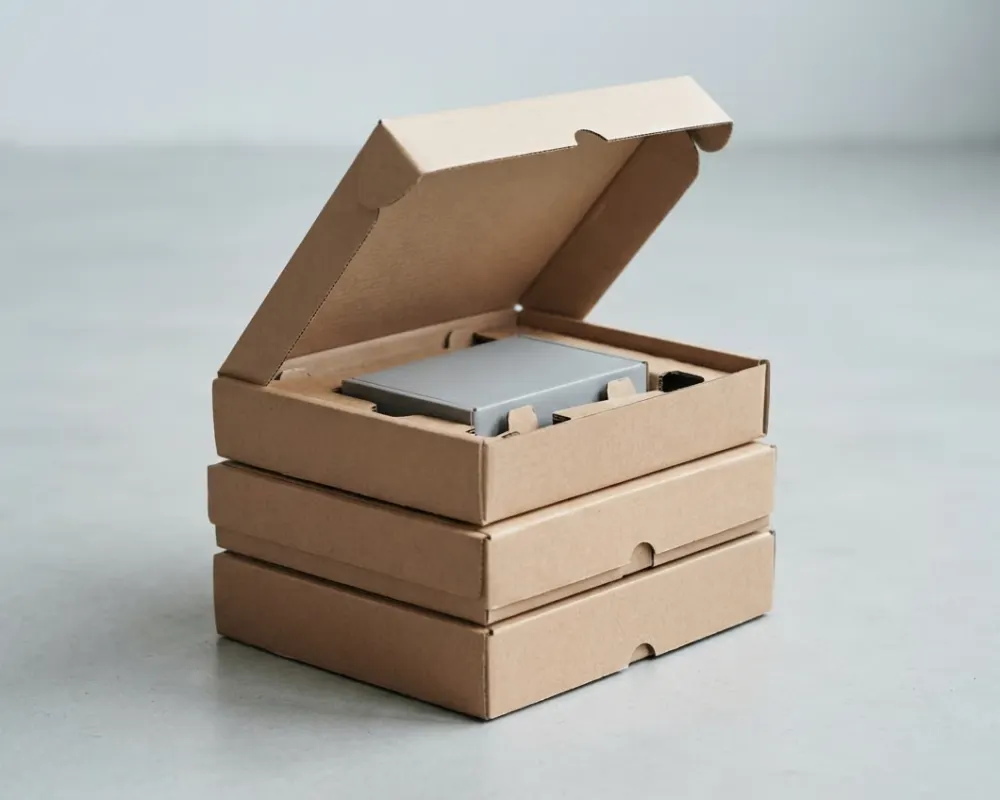
We start a project with the product itself, its technical drawing or its 3D data. The product's weight, geometry and sensitive surfaces are assessed together with the quantity per pack, stacking height and shipping conditions (line feeding, domestic distribution, export, container transport).
-
Structural design and 3D modelling
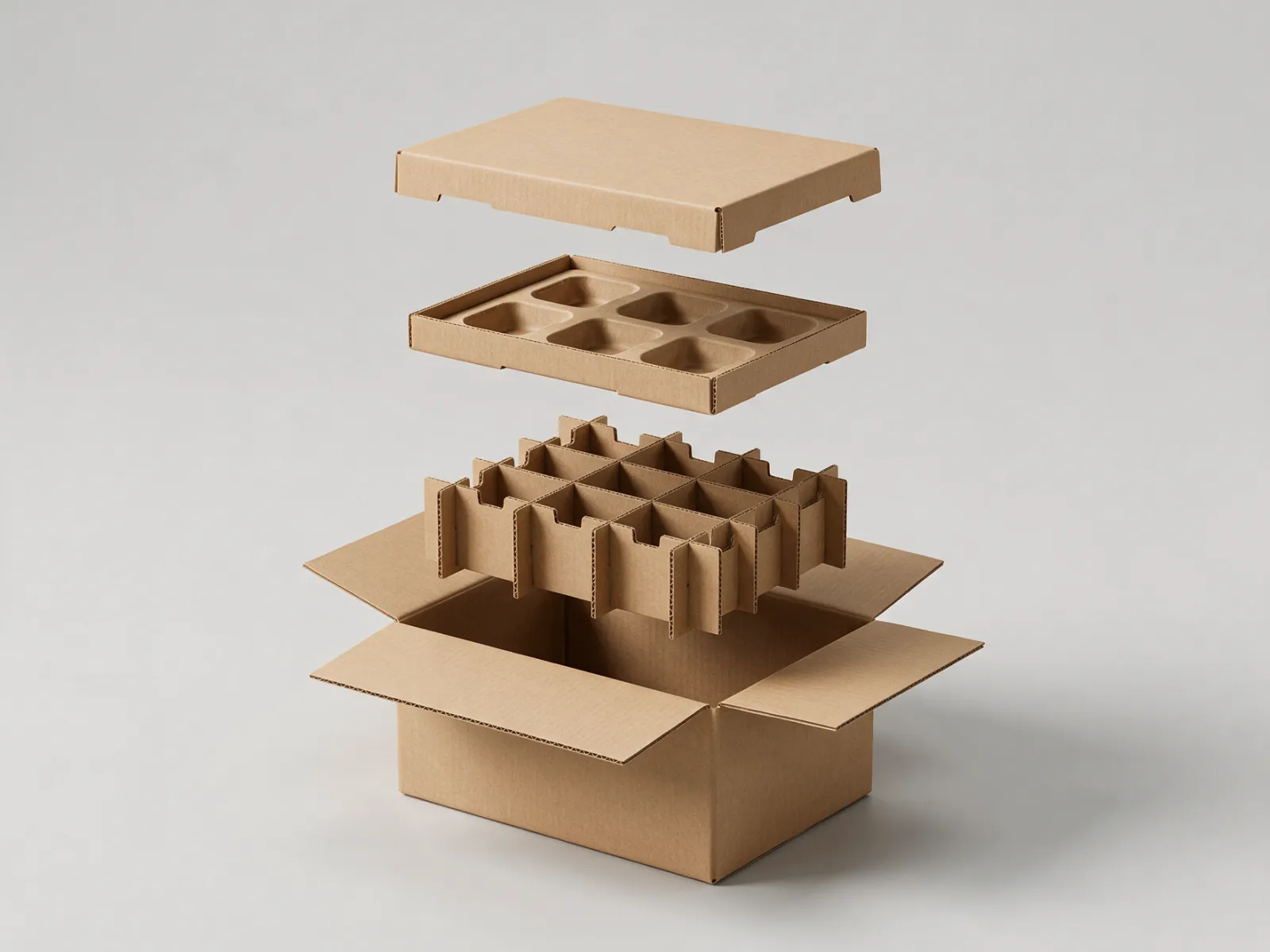
The outer packaging, divider system, tray-and-lid structure and, where needed, PE foam supports are designed as a single whole. The flute type and paper grade are chosen to carry the product's load and provide the required stacking strength. The design is shared with you as a 3D assembly view, a dieline (flat layout) and a material specification.
-
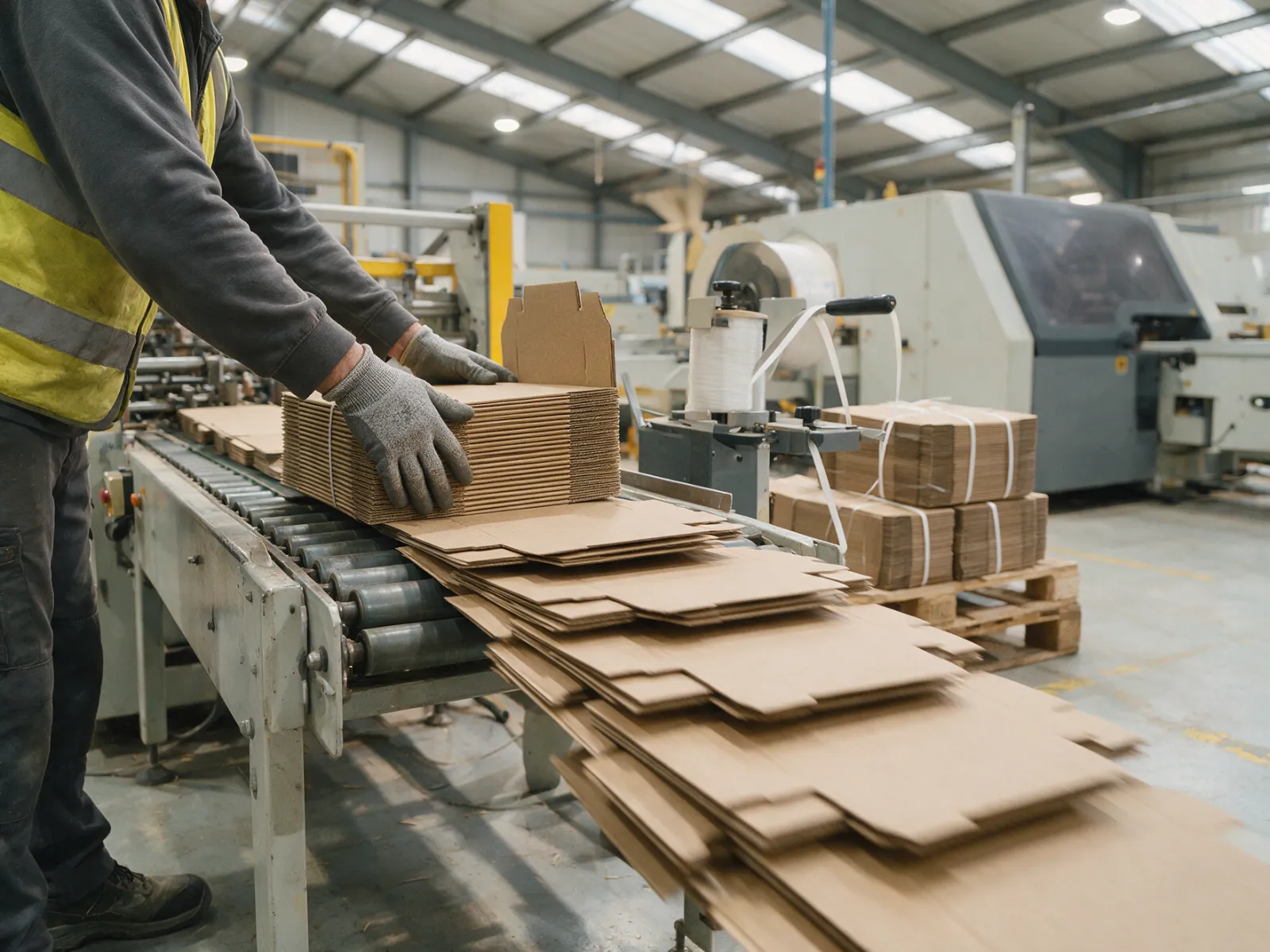
Rapid prototyping
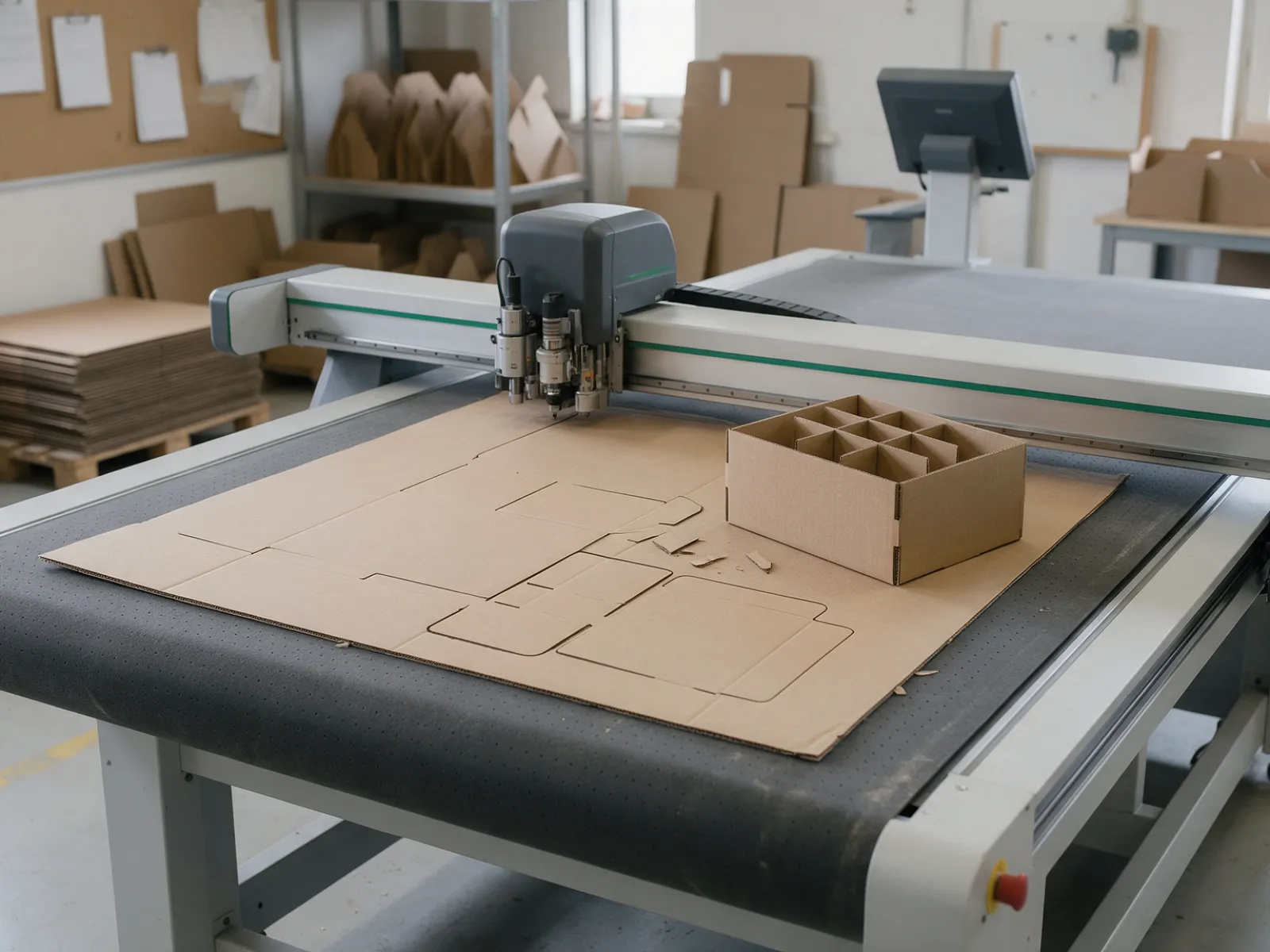
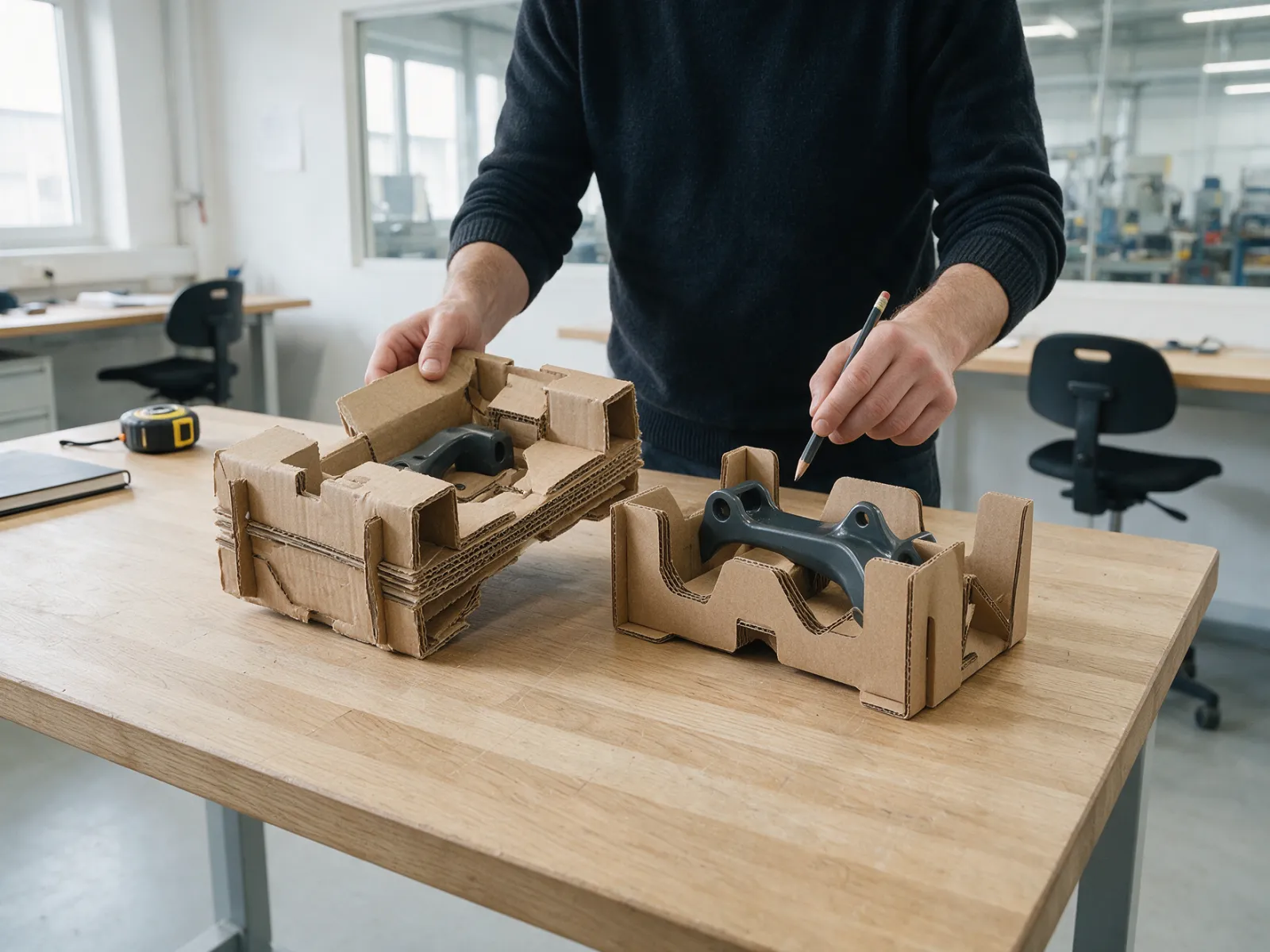
The approved design is produced as a one-off on our digital cutting machines. Because this method needs no cutting die, it shortens the prototyping process considerably compared with conventional die-cut sampling. The prototype is tested with the actual product; any revisions needed are carried into the design and a new prototype just as quickly.
-
Approval and transition to series production
Once the prototype is approved, the series production die is prepared. Series production follows the same dimensions and material specification as the approved prototype.
-
Continuous improvement
Based on feedback from shipping and from the point of use, we continue to improve the packaging in terms of product protection, stacking efficiency and cost.
Design outputs
What you receive before approval
At the end of the design stage, we share documents that your purchasing, logistics and quality teams can review.
-
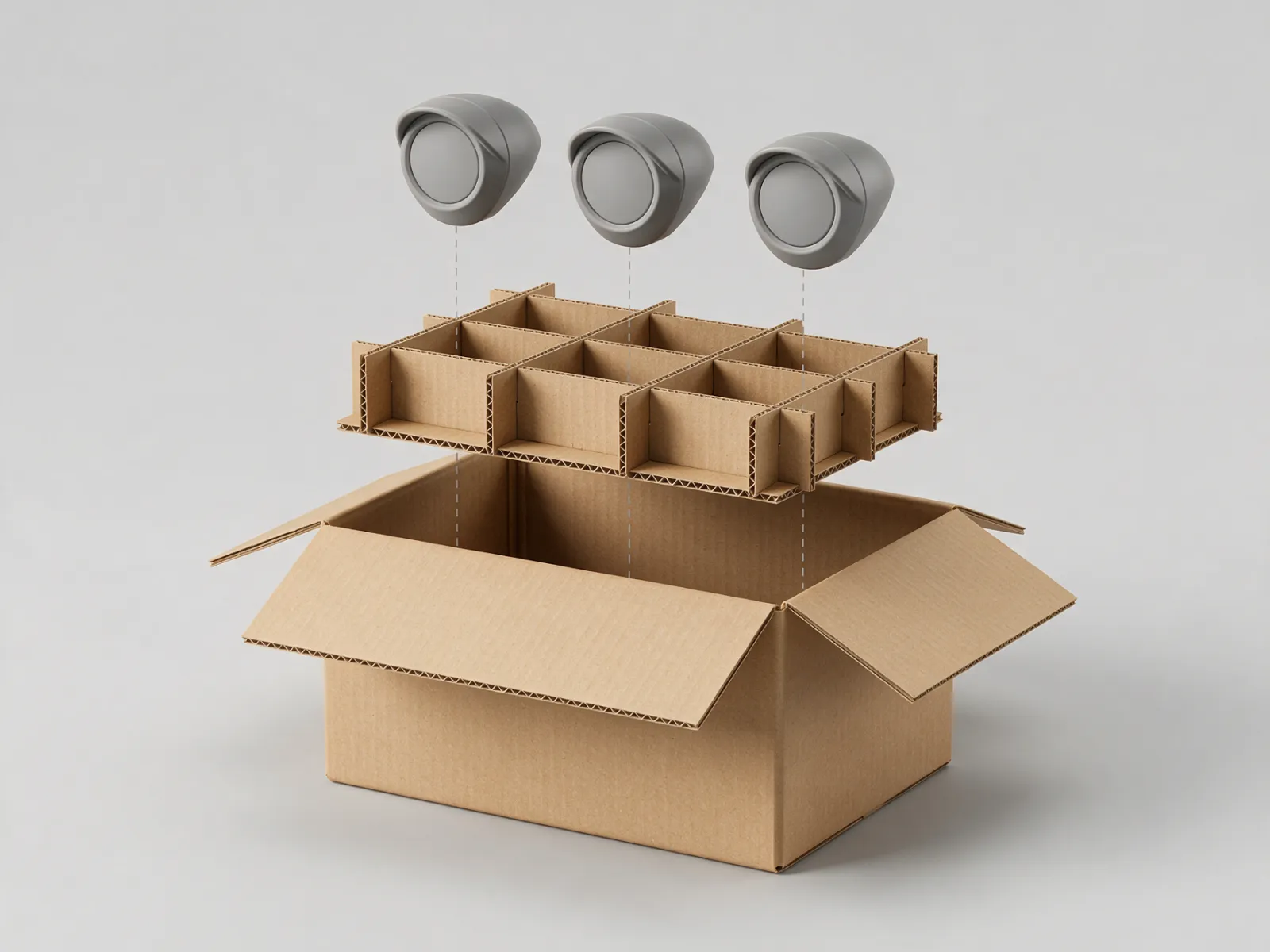
3D assembly view
A 3D view showing the product's position inside the pack, layer by layer.
-
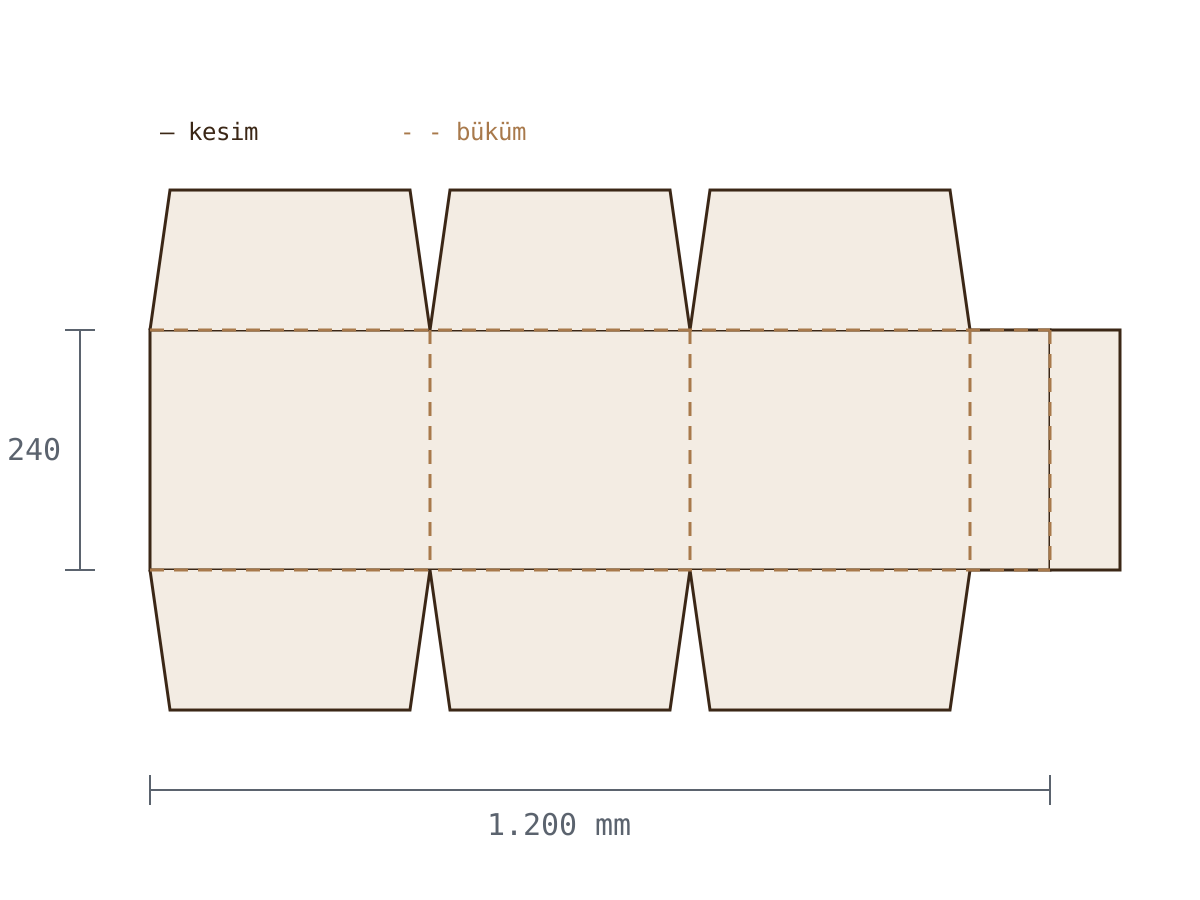
Dimensioned dieline
Dimensioned dielines (cutting drawings) with cut and crease lines.
-
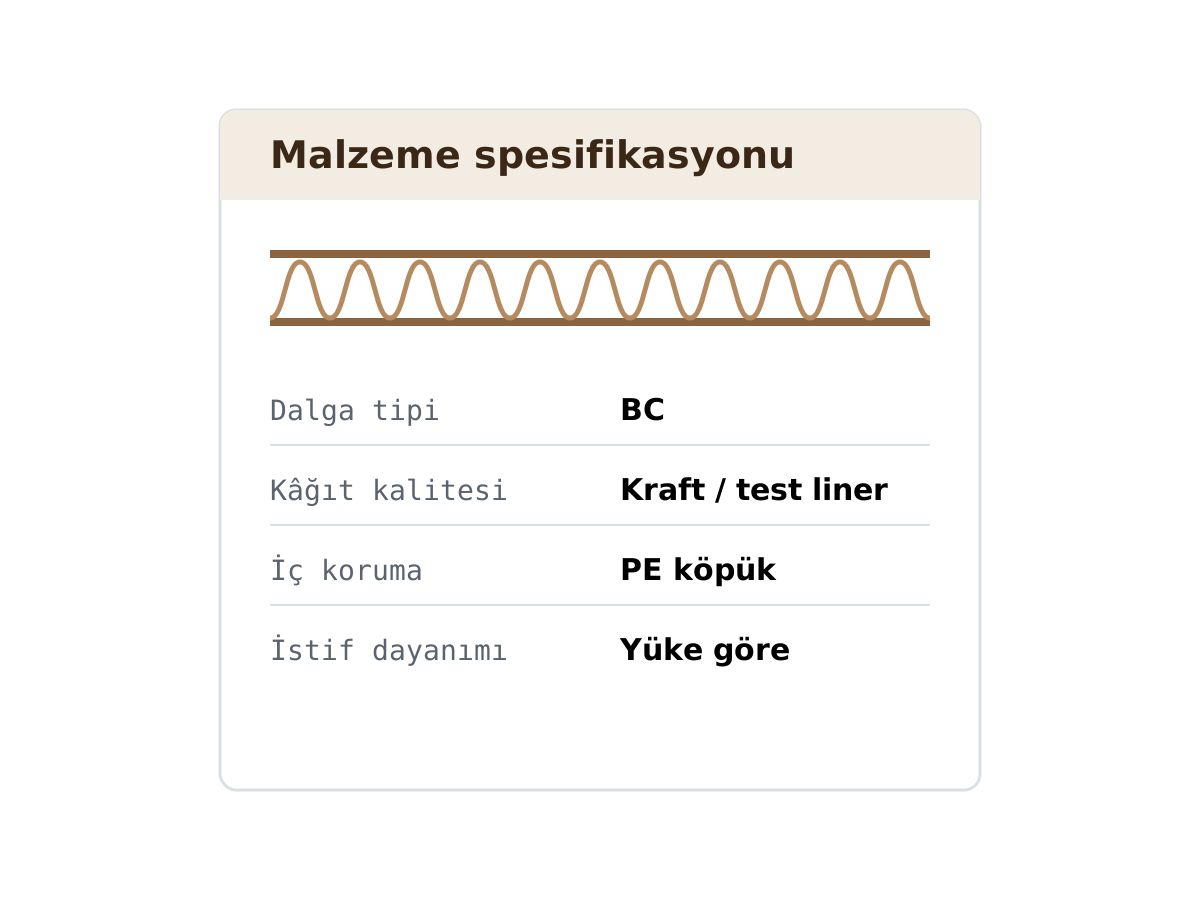
Material specification
Flute type, paper grade breakdown and inner protection materials.
-
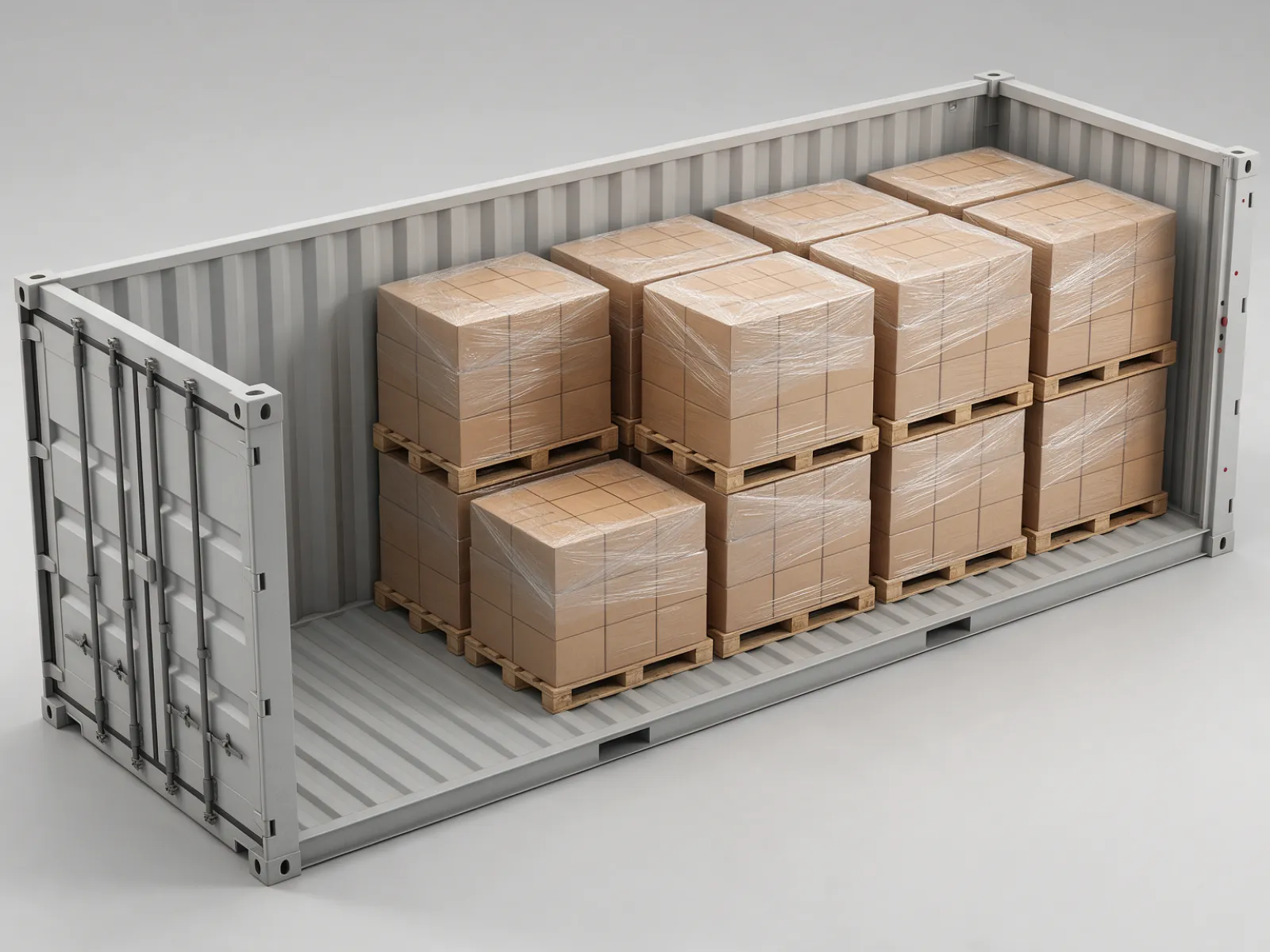
Pallet and container loading
A pallet and container loading proposal based on the pack dimensions.
-
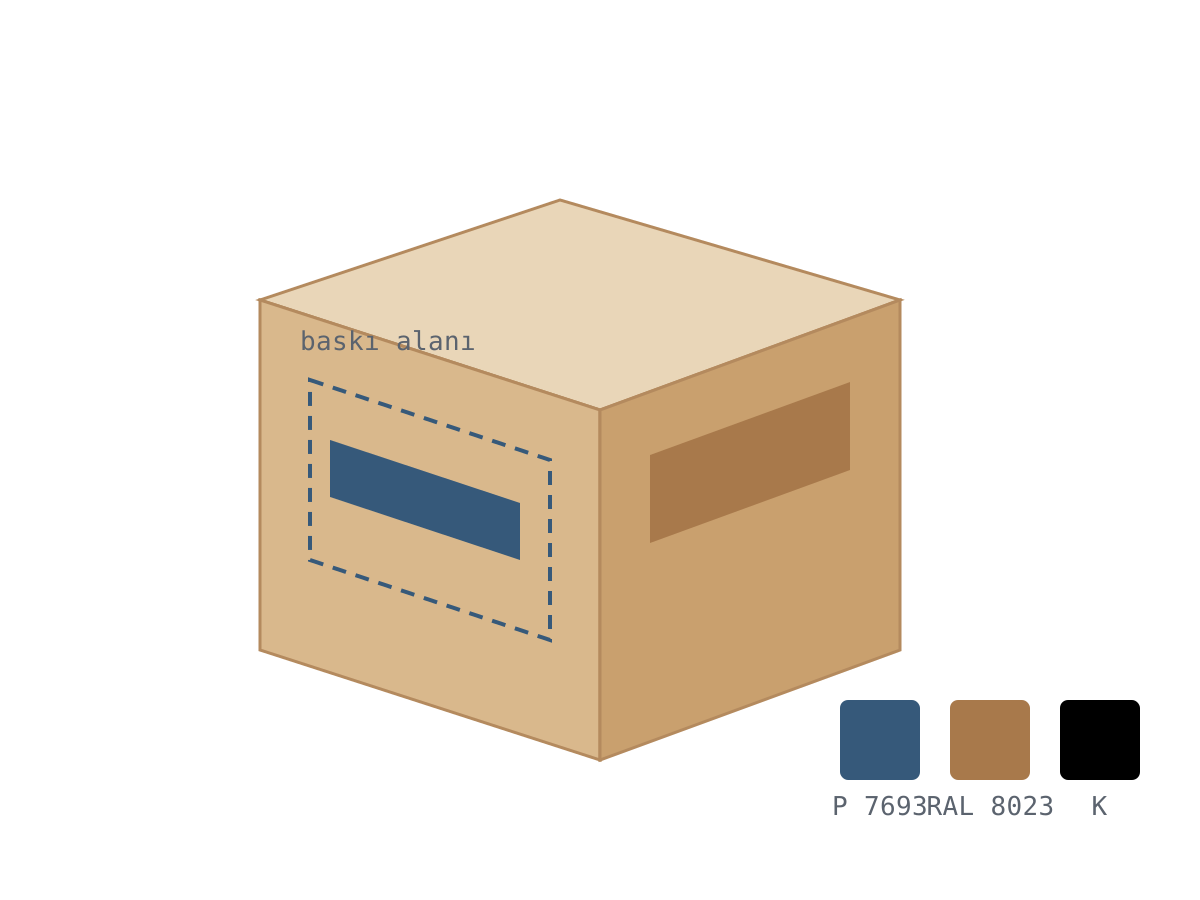
Print area and colour codes
Print area definitions and colour codes for printed solutions.
-
Request a quote
Let us prepare these documents for your product
Share an image, dimensions or a technical drawing of your product, and we will prepare our first design proposal together with these documents.
Prototyping in plastic packaging
The same discipline for inner protection
For plastic packaging products such as bubble bags, PE bags and PE foam, the prototyping process follows the same discipline. Prototypes are prepared at short notice to the required dimensions, thickness and usage properties.
Because all production takes place in our own facilities, quality remains consistent from prototype to series product.
- Size
- ≈ 10 mm bubble
- Typical use
- Painted and glossy surfaces: protects thin parts against scratches and abrasion.
- Size
- ≈ 25 mm bubble
- Typical use
- Heavy and bulky products: absorbs impact with a larger air cushion.
- Size
- Bubble + PE foam layer
- Typical use
- Soft inner surface: the product is easy to insert and its surface is not scratched; used in bubble bags.
- Size
- ≈ 1–10 mm sheet
- Typical use
- Custom-sized foam dividers and support pieces, used inside corrugated packaging.
Benefits
What the engineering approach gives you
-
Keeping to the project schedule
Packaging is no longer on the critical path when a new product is launched; it progresses in parallel with product development, and approval times are shorter.
-
Low revision cost
Design changes are made digitally and on the prototype, before any tooling investment.
-
Shared visibility for all stakeholders
The 3D model allows your purchasing, logistics and quality teams to review the packaging before the physical prototype arrives.
Frequently asked questions
Common questions
An image of the product and its approximate dimensions are usually enough to prepare the first design proposal. Sharing a technical drawing or 3D data (STEP, etc.) speeds up the design process and makes it more accurate. Where possible, we also recommend sending us a sample of the product for prototype testing.
Prototype lead time varies from project to project, depending on the product's structure and the complexity of the packaging. Because we produce corrugated prototypes on our digital cutting equipment without the need for a cutting die, this time is considerably shorter; plastic packaging prototypes are also prepared at short notice in our own facilities. We share a schedule specific to your project after reviewing your request.
Yes. We share the 3D assembly view and the dimensioned dieline of the packaging with you, and move on to the prototype stage once you approve the design.
Prototype terms are set according to the scope of the project and the series production plan, and are shared with you together with your quote.
We accept STEP for 3D data, and DXF, DWG and PDF for technical drawings. If there is no technical drawing, product photos and approximate dimensions are also enough for an initial assessment.
Share your technical drawing and let us review our first design proposal together
Send us a technical drawing, 3D data or an image of your product, and our engineering team will prepare the first design proposal.
Product catalogue